
Dyson DC17: A Comprehensive Guide
This guide, acting as your Dyson DC17 Repair Manual, simplifies installation, operation, and maintenance for peak performance, ensuring a user-friendly experience.
The Dyson DC17 represents a significant advancement in home cleaning technology, offering powerful suction and innovative design features. This vacuum cleaner was engineered to tackle various floor types and cleaning challenges effectively. Understanding its capabilities and proper usage is key to maximizing its performance and longevity.
This comprehensive guide serves as your dedicated Dyson DC17 Repair Manual, designed to empower you with the knowledge needed for seamless installation, efficient operation, and diligent maintenance. Whether you’re a first-time user or a seasoned Dyson owner, this manual will walk you through every aspect of your DC17, ensuring optimal cleaning results and a prolonged lifespan for your investment. It’s built to make your life easier, offering clarity and support throughout your cleaning journey.
Key Features and Technologies
The Dyson DC17 boasts several key features that distinguish it from conventional vacuum cleaners. Root Cyclone™ technology is central, maintaining powerful suction without loss of performance as the dust bin fills. This innovative system efficiently separates dirt and dust from the airflow, preventing clogging and ensuring consistent cleaning power.
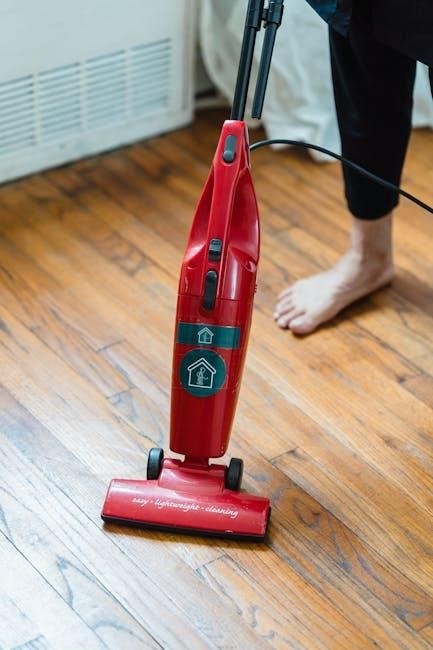
Furthermore, the DC17’s design incorporates a lightweight yet durable construction, enhancing maneuverability. Its versatile attachments allow for cleaning of various surfaces, from carpets and hard floors to upholstery and crevices. This Dyson DC17 Repair Manual will help you utilize these features. The vacuum’s advanced filtration system captures allergens and fine dust particles, improving air quality within your home. These technologies combine to deliver a superior cleaning experience.

Understanding the Components
Dissecting the DC17 reveals a main body housing the motor, a wand and hose for reach, specialized floor tools, and pinpoint cleaning attachments for versatile use.
Main Body and Motor Unit
The DC17’s central hub contains its powerful motor, the core of its cyclonic technology. This unit is meticulously engineered to generate substantial suction, effectively lifting dirt and debris from surfaces. The body’s robust construction ensures durability, while its ergonomic design facilitates maneuverability during cleaning.
Inside, the cyclone assembly spins air rapidly, separating dust and allergens. This innovative system prevents loss of suction as the bin fills, maintaining consistent cleaning power. Regular inspection of this area is crucial for optimal performance. The motor itself is a high-speed component, designed for efficiency and longevity. Proper care, including filter maintenance, directly impacts the motor’s lifespan and effectiveness. Understanding this core component is vital for maximizing your Dyson DC17’s cleaning potential.
Wand and Hose Assembly
The Dyson DC17’s wand and hose are critical extensions, providing reach and versatility for cleaning various areas. Constructed from lightweight yet durable materials, they allow for effortless maneuvering around furniture and into tight spaces. The hose connects directly to the main body, transmitting suction power efficiently to the wand.
The wand’s telescopic feature enables adjustable length, adapting to different cleaning needs. It securely connects to a range of floor tools and attachments, expanding the DC17’s functionality. Regularly check for cracks or blockages within the hose and wand, as these can significantly reduce suction. Proper assembly and maintenance of these components are essential for maximizing cleaning performance and ensuring a seamless user experience. Disconnecting and inspecting these parts routinely will help maintain optimal suction.
Floor Tool Attachments
Dyson DC17 floor tool attachments are designed for specialized cleaning on diverse floor types. The combination floor tool effectively transitions between hard floors and carpets, utilizing a rotating brush bar to agitate and lift dirt. A separate hard floor tool, often with soft bristles, prevents scratching delicate surfaces like wood or tile.
These attachments connect securely to the wand, offering targeted cleaning solutions. Regularly inspect the brush bars for tangled hair or debris, as this hinders performance. Understanding which tool is best suited for each floor type is crucial for optimal results and preventing damage. Proper attachment use maximizes the DC17’s cleaning power, ensuring a spotless home. Maintaining these tools extends their lifespan and preserves suction efficiency.
Crevice Tool and Dusting Brush
The Dyson DC17’s crevice tool excels at reaching tight, awkward spaces – along edges, between cushions, and in car interiors. Its narrow nozzle delivers concentrated suction where standard tools can’t reach, effectively removing dust and debris from hard-to-access areas.
Complementing this is the dusting brush, ideal for delicate surfaces like furniture, lampshades, and bookshelves. Soft bristles gently lift dust without causing scratches or damage. Both attachments connect directly to the wand, providing extended reach and maneuverability; Regular use of these tools ensures comprehensive cleaning beyond floor surfaces. Inspect the brush for accumulated dust and clean as needed to maintain optimal performance. These attachments significantly enhance the DC17’s versatility.
Setting Up and Operating the DC17
Follow the initial assembly instructions carefully to connect components correctly. Power on, adjust suction, and select appropriate floor settings for optimal cleaning results.

Initial Assembly Instructions
Begin by unpacking all components of your Dyson DC17, ensuring you have the main body, wand, hose, floor tool, and any additional attachments. First, securely attach the hose to the main body unit; a distinct click will confirm a proper connection. Next, connect the wand to the hose, again listening for the locking sound.
Select the appropriate floor tool for your floor type – hard floors or carpets – and attach it to the wand. Ensure it’s firmly in place before use. If using a combination tool, slide it onto the wand until it clicks. Double-check all connections to prevent loss of suction during operation.
Refer to the detailed diagrams in your user manual for visual guidance. Incorrect assembly can impact performance and potentially damage the machine. A properly assembled Dyson DC17 is crucial for effective cleaning and longevity.
Powering On and Off
To power on your Dyson DC17, locate the power button, typically situated on the main body of the machine. Press the button firmly; a clear indication, such as a change in motor sound or a light indicator, will confirm activation. Ensure the machine is securely connected to a power outlet before attempting to switch it on.
For shutting down, simply press the power button again. The motor should cease operation, and any indicator lights should turn off. Always disconnect the machine from the power outlet when not in use, or during maintenance procedures.
Avoid abrupt disconnection from the power source while the motor is running, as this could potentially damage internal components. Refer to the user manual’s safety guidelines for detailed instructions and precautions regarding power operation.

Adjusting Suction Power
The Dyson DC17 offers variable suction control, allowing you to tailor cleaning performance to different surfaces. Locate the suction power selector, often a slider or dial on the machine’s body. Adjusting this control modifies the airflow, impacting the strength of the suction.
For delicate fabrics or lightweight curtains, reduce the suction power to prevent damage. Conversely, for deep-pile carpets or stubborn debris, maximize suction for optimal cleaning. Experiment with different settings to find the ideal balance between power and surface protection.
Monitoring suction levels is crucial; reduced suction may indicate a blockage. Regularly check the wand, hose, and filters for obstructions. Refer to the manual for specific guidance on suction adjustment and troubleshooting.
Using Different Floor Settings
The Dyson DC17 excels on various floor types thanks to its adaptable settings. Utilize the floor head selector – typically a switch or button – to optimize cleaning performance; For hard floors, disengage the brush bar to prevent scattering debris and avoid scratching delicate surfaces.
On carpets, engage the brush bar to agitate and lift embedded dirt. The DC17 automatically adjusts suction based on floor resistance, but manual adjustment may be needed for particularly thick or plush carpets. Observe the cleaner’s performance and adjust accordingly.
Proper floor setting selection maximizes cleaning efficiency and protects your floors. Regularly check the brush bar for tangled hair or fibers to maintain optimal performance. Consult the user manual for detailed guidance on specific floor types.
Maintenance and Troubleshooting
Regular upkeep, including dust bin emptying, filter washing, and blockage checks, ensures optimal performance and longevity of your Dyson DC17 vacuum cleaner.
Emptying the Dust Bin
Maintaining optimal suction relies heavily on regularly emptying the dust bin of your Dyson DC17. To begin, power off the vacuum and disconnect it from the electrical outlet for safety. Locate the dust bin release mechanism – typically a button or lever – on the main body of the machine.
Press or slide the release to detach the bin. Hold the bin over a suitable waste receptacle, and then open the bottom of the bin using the designated release catch. Ensure you empty the bin completely, avoiding any build-up of dust and debris.
Once emptied, securely reattach the bottom of the bin before returning it to the Dyson DC17. Confirm it clicks firmly into place to prevent leaks during operation. Frequent emptying, ideally after each use or when debris reaches the ‘max’ line, will preserve suction power and extend the life of your machine.
Washing the Filter
Maintaining a clean filter is crucial for sustaining the Dyson DC17’s suction performance. Regularly washing the filter – typically every few months, or more frequently with heavy use – prevents clogging and ensures efficient airflow. First, remove the filter from its housing within the machine; consult your manual for specific location details.
Rinse the filter under cold water until the water runs clear, removing all visible dust and debris. Do not use detergents or cleaning agents, as these can damage the filter material. Gently squeeze out excess water, but avoid twisting or wringing, which could distort its shape.
Allow the filter to air dry completely – this can take up to 24 hours – before reinstalling it into the Dyson DC17. Never operate the vacuum with a wet filter, as this can cause damage to the motor. A clean, dry filter guarantees optimal cleaning power.
Checking for Blockages
Reduced suction power often indicates a blockage within the Dyson DC17. Regularly inspect the wand, hose, and floor tool for obstructions like dust, hair, or larger debris. Begin by disconnecting the wand and hose from both the main body and the floor tool.
Visually examine each component, shining a light inside to identify any visible blockages. Use a long, flexible tool – like a coat hanger (straightened) – to gently dislodge any obstructions. Avoid forcing anything, as this could damage the internal components.
Check the main body’s inlet for blockages as well. Ensure the dust bin is empty, as a full bin can also mimic a blockage. Once cleared, reassemble the components and test the suction. Consistent blockage checks maintain peak performance.
Common Issues and Solutions
Loss of suction is frequently caused by a full dust bin or blockages – address these first. If suction remains weak, inspect the filter; a dirty filter restricts airflow. Overheating can occur with prolonged use or blockages; allow the unit to cool before restarting and clear any obstructions.
Unusual noises might indicate a loose component or debris within the machine. Carefully inspect the wand and hose connections. If the DC17 won’t power on, check the power cord and outlet. Ensure the machine is properly assembled;
For persistent issues, consult the full repair manual or Dyson’s support website. Never attempt repairs you are not comfortable with, as this could void the warranty or cause further damage. Regular maintenance prevents many common problems.

Advanced Features & Tips
Maximize suction and efficiency by routinely checking for blockages and ensuring proper filter maintenance, extending the lifespan of your Dyson DC17.
Cordless Operation & Battery Care (if applicable)
The Dyson DC17, while primarily a corded model, benefits from understanding power management for optimal use. Though not inherently cordless, maximizing runtime – if a conversion kit is utilized – requires diligent battery care. Always use the provided Dyson charger; third-party chargers can damage the battery and void warranties.
Avoid fully discharging the battery, as this can shorten its lifespan. Instead, charge it regularly, even if it hasn’t been fully depleted. Store the vacuum in a cool, dry place, away from direct sunlight and extreme temperatures, which can negatively impact battery performance.
If you notice a significant decrease in runtime, the battery may need replacing. Refer to the Dyson website or authorized service centers for genuine replacement batteries and proper disposal instructions for old ones. Consistent, mindful charging habits will ensure your DC17 operates at its best for years to come.
Maximizing Suction Performance
To ensure your Dyson DC17 consistently delivers powerful suction, regular maintenance is crucial. Begin by verifying the dust bin is emptied before each use; an overfilled bin drastically reduces airflow. Equally important is the filter – wash it regularly as per the instructions, as a clogged filter severely restricts suction power.

Inspect the wand and hose assembly for any blockages. Detach and visually examine these components, using a long, flexible tool to dislodge any obstructions. Check the floor tool and attachments for similar blockages. A clear pathway is essential for optimal performance.
Finally, ensure all connections are secure and airtight. Loose connections allow air to escape, diminishing suction. By consistently addressing these points, you’ll maintain the DC17’s renowned cleaning capabilities and extend its operational life.