Microsoft’s diverse offerings, from Xbox to Azure, highlight a tech landscape where secure access and collaborative tools are paramount for all users․
Essential services like Outlook, Word, and Excel, coupled with the push towards passkeys, demonstrate a commitment to user security and streamlined experiences․
The company’s evolution, from pioneering personal computer software to a multinational technology leader, underscores its enduring influence on modern digital life and innovation․
What is Strength and Conditioning?
Strength and conditioning, as reflected in Microsoft’s expansive ecosystem, isn’t merely about physical prowess; it’s a holistic approach to optimizing performance and well-being․ Much like Microsoft 365 integrates various tools, strength and conditioning blends exercise science principles to enhance athletic capabilities and general fitness levels․
It encompasses a systematic and progressive program design, mirroring the structured updates seen in Windows 11․ This involves evaluating individual needs – a ‘needs analysis’ – and setting achievable goals, similar to managing subscriptions through a Microsoft account․ The core focuses on improving strength, endurance, power, speed, agility, and flexibility․
Just as Microsoft prioritizes security with passkeys, strength and conditioning emphasizes injury prevention through proper technique and progressive overload․ It’s about building a resilient foundation, much like the robust infrastructure of Azure, to withstand the demands of activity, whether it’s competitive sports or daily life․ Ultimately, it’s about maximizing human potential․
Importance for Athletes and General Fitness
For athletes, strength and conditioning, akin to Microsoft’s support for its products, is non-negotiable for peak performance․ It’s the foundation upon which skill development is built, enhancing power, speed, and agility – crucial for competitive advantage․ Like accessing Xbox features, optimized physical capabilities unlock potential․
However, its benefits extend far beyond the elite athlete, mirroring the broad accessibility of Microsoft tools․ For general fitness, it improves functional movement, enhances quality of life, and reduces the risk of injury, similar to the security benefits of passkeys․ It builds resilience and supports healthy aging․
Just as Microsoft encourages collaboration with Teams, strength and conditioning fosters discipline and consistency․ It’s an investment in long-term health, promoting a proactive approach to well-being, much like regularly updating software; It empowers individuals to live more active, fulfilling lives, regardless of their athletic aspirations․

Foundations of Program Design
Microsoft’s product ecosystem, like effective program design, requires careful planning and structure, ensuring seamless integration and optimal user experience for everyone․
Needs Analysis: Assessing Athlete Requirements
Understanding the core functionalities of Microsoft products, much like a thorough athlete assessment, is crucial for tailoring solutions․ This involves identifying specific demands – whether it’s the power needs of an athlete or the collaborative requirements of a business team․
Just as Microsoft adapts Xbox Game Pass to user preferences, a needs analysis examines an athlete’s sport, position, training age, injury history, and performance goals․ This detailed evaluation informs program design, ensuring it addresses individual weaknesses and maximizes strengths․
The shift towards passkeys by Microsoft mirrors the need for robust preventative measures; similarly, assessing movement patterns and physical limitations helps prevent athlete injuries․ A comprehensive analysis is the bedrock of effective, individualized strength and conditioning․
Goal Setting: SMART Principles

Microsoft’s commitment to user-friendly tools, like the online versions of Word and Excel, parallels the importance of clearly defined goals in strength and conditioning․ Just as Microsoft aims for accessible technology, training goals must be Specific, Measurable, Achievable, Relevant, and Time-bound (SMART)․
The company’s focus on security, urging users to adopt passkeys, reflects a proactive approach – mirroring the need for athletes to set preventative goals, like injury reduction․ SMART goals provide a roadmap for progress, allowing for consistent monitoring and adjustments․
Like managing a Microsoft account with defined subscriptions, athletes benefit from breaking down long-term objectives into smaller, manageable steps, fostering motivation and ensuring sustained improvement․
Periodization: Structuring Training Cycles
Microsoft’s continuous updates to products like Microsoft 365 and Teams demonstrate a cyclical approach to improvement – analogous to periodization in strength and conditioning․ Just as Microsoft releases new features in phases, training should be structured into distinct cycles: macrocycles, mesocycles, and microcycles․
The company’s diverse product range, from Xbox to Azure, caters to varied needs, mirroring how periodization adjusts training volume and intensity to address specific athletic demands․ This prevents plateaus and minimizes the risk of overtraining․
Similar to Microsoft supporting both home and business users, a well-designed periodization plan considers the athlete’s individual goals, current fitness level, and competitive schedule, ensuring optimal performance․
Key Components of a Strength and Conditioning Program
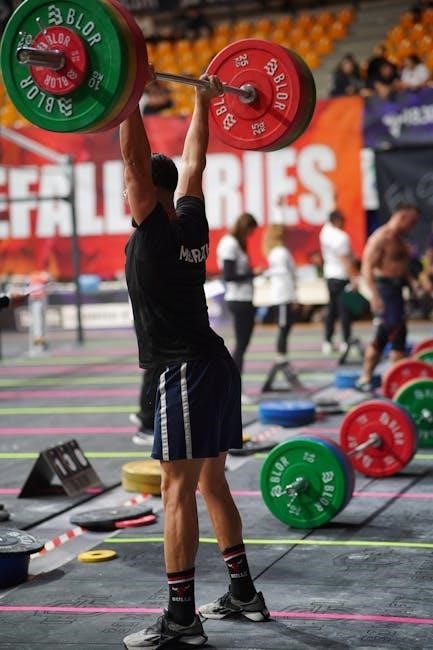
Microsoft’s suite – Word, Excel, PowerPoint – offers diverse tools, much like a program blending resistance, cardio, and flexibility for holistic fitness․
Resistance Training
Microsoft’s emphasis on secure access, mirroring the foundational importance of proper form in resistance training, highlights a parallel between digital and physical strength․
Just as passkeys replace vulnerable passwords, progressive overload in weightlifting builds resilience over time, demanding consistent adaptation and careful monitoring․
The availability of collaborative tools like Teams reflects the benefits of a supportive training environment, where shared goals and feedback enhance progress․

Similar to choosing between Microsoft 365 options, selecting appropriate resistance – weights, bands, or bodyweight – is crucial for individual needs and goals․
Effective resistance training, like navigating Azure services, requires a structured approach, prioritizing technique and gradual increases to maximize results and minimize risk․
Weightlifting Techniques
Microsoft’s commitment to user support, akin to coaching in weightlifting, emphasizes the importance of guidance and proper instruction for optimal performance․
Like accessing how-to articles for Microsoft Copilot, mastering fundamental lifts – squat, deadlift, bench press, overhead press – requires diligent learning and practice․
The shift towards passkeys for security parallels the focus on maintaining correct form during lifts to prevent injury and maximize efficiency․
Utilizing resources like Microsoft Support is comparable to seeking feedback from experienced lifters to refine technique and address weaknesses․
Consistent application of principles – bracing, controlled movements, full range of motion – mirrors the reliability of Windows 11, building a solid foundation․
Progressive overload, similar to upgrading to the latest Surface device, demands continuous challenge and adaptation for sustained growth and strength gains․
Bodyweight Exercises
Just as Microsoft 365 offers versatile tools for diverse tasks, bodyweight exercises provide a foundational strength base accessible to everyone, everywhere․
Collaborating with online versions of Word, Excel, and PowerPoint mirrors the synergy of compound movements like push-ups, squats, and lunges․
The emphasis on secure access to your Microsoft account reflects the importance of proper form in bodyweight training to prevent injuries․
Like deleting passwords and adopting passkeys, mastering bodyweight basics builds a secure foundation for more advanced conditioning․
Utilizing bodyweight allows for functional movements, mirroring real-life activities, similar to the broad applicability of Azure services․
Progressing through variations – incline push-ups, pistol squats – parallels the continuous innovation seen in Xbox gaming experiences․
Resistance Band Training
Similar to how Microsoft supports both home and business users, resistance bands offer adaptable training for all fitness levels and goals․
Just as Microsoft Teams facilitates collaboration, bands enable versatile exercises targeting multiple muscle groups simultaneously․
The shift towards passkeys for enhanced security mirrors the controlled resistance provided by bands, minimizing injury risk․
Like accessing Outlook, Word, and Excel from any device, bands are portable and require minimal space for effective workouts․
Employing varying band resistance levels parallels the tiered subscription options of Xbox Game Pass, catering to individual needs․
The affordability and accessibility of bands echo Microsoft’s commitment to making technology inclusive, fostering widespread participation․
Resistance band training complements other methods, much like Microsoft’s suite of products integrates seamlessly for a comprehensive experience․
Cardiovascular Training
Analogous to Microsoft’s broad product range, cardiovascular training encompasses diverse methods for enhancing endurance and overall health․
Just as Microsoft 365 offers integrated applications, cardio workouts improve interconnected physiological systems – heart, lungs, and circulation․
The emphasis on secure access, like with passkeys, reflects the importance of a strong cardiovascular system for sustained performance․
Similar to the accessibility of online versions of Word and Excel, cardio can be performed virtually anywhere with minimal equipment․
High-Intensity Interval Training (HIIT) mirrors the rapid innovation seen at Microsoft, delivering efficient results in short bursts․
Continuous endurance training, like reliable Azure services, provides a steady, consistent foundation for long-term fitness․
Cardio’s benefits extend beyond physical health, much like Microsoft Teams fosters collaboration and well-being within organizations․
High-Intensity Interval Training (HIIT)
Reflecting Microsoft’s innovative spirit, HIIT represents a dynamic approach to cardiovascular fitness, maximizing efficiency in minimal time․
Like the streamlined experience of Microsoft Copilot, HIIT delivers impactful results through focused, alternating bursts of exertion and recovery․
The concept of secure access, emphasized by passkeys, parallels HIIT’s need for precise timing and controlled intensity to prevent injury․
Similar to accessing Outlook or Word from any device, HIIT can be adapted to various environments and equipment availability․
Short, intense intervals mimic the rapid development cycles at Microsoft, pushing physiological boundaries for quick adaptation․
Recovery periods are crucial, akin to the reliable infrastructure of Azure, allowing the body to rebuild and prepare for the next challenge․
HIIT isn’t just about physical exertion; it’s a mental challenge, fostering resilience – a quality valued at Microsoft․
Continuous Endurance Training
Echoing Microsoft’s long-term commitment to its products, continuous endurance training builds a foundational level of cardiovascular fitness over sustained periods․
Just as Microsoft 365 provides consistent access to essential tools, this training method delivers reliable improvements in aerobic capacity․
The stability and dependability of Azure mirror the steady-state nature of continuous endurance, requiring consistent effort for optimal results․
Like the collaborative features of Teams, endurance training benefits from a supportive environment and consistent pacing․
This method emphasizes efficiency, similar to the streamlined interfaces of Windows 11, minimizing wasted energy and maximizing output․
Maintaining a consistent pace is key, reflecting Microsoft’s focus on delivering reliable and predictable performance․
Continuous endurance isn’t about peak intensity, but sustained effort – a marathon, not a sprint, much like long-term software development․
Flexibility and Mobility
Similar to Microsoft’s adaptable software solutions, flexibility and mobility are crucial for optimizing physical performance and preventing injury․
Just as Microsoft supports diverse devices, these components cater to individual anatomical variations and movement patterns․
The seamless integration of Copilot into various applications reflects how flexibility enhances the efficiency of movement․
Like the constant updates to Windows, regular stretching and mobility work are essential for maintaining optimal function․
Dynamic stretching prepares the body for activity, mirroring Microsoft’s proactive approach to security with features like passkeys․
Static stretching aids recovery, akin to OneDrive’s secure data storage, preserving physical integrity․
Foam rolling, like troubleshooting within Microsoft Support, addresses localized restrictions and improves tissue quality․
Prioritizing these elements ensures a robust and adaptable physical system, much like Microsoft’s resilient technological infrastructure․
Static Stretching
Analogous to securely storing data in OneDrive, static stretching holds a muscle at its lengthened position, promoting relaxation and improved range of motion․
Similar to Microsoft’s commitment to user accessibility, static stretching should be comfortable and pain-free, avoiding overextension․
Just as Microsoft 365 offers a suite of integrated tools, static stretching complements other flexibility techniques for comprehensive results․
Like the consistent updates to Windows, regular static stretching contributes to long-term improvements in muscle elasticity;
Holding each stretch for 15-30 seconds allows for neuromuscular adaptation, mirroring the sustained security provided by passkeys․
Focusing on major muscle groups, similar to Microsoft’s broad product range, ensures balanced flexibility development․
This technique is best performed post-exercise, akin to utilizing Microsoft Support after encountering an issue, aiding recovery․
Static stretching enhances recovery and reduces muscle soreness, contributing to overall physical well-being, much like a stable digital ecosystem․
Dynamic Stretching
Resembling the responsive nature of Microsoft Copilot, dynamic stretching involves controlled movements through a full range of motion․
Much like Xbox’s evolving gaming experiences, dynamic stretches prepare muscles for activity, enhancing performance and reducing injury risk․
These movements, mirroring the collaborative features of Teams, improve blood flow and neuromuscular activation․
Similar to Azure’s scalable infrastructure, dynamic stretching can be adapted to various fitness levels and sport-specific needs․
Examples include arm circles, leg swings, and torso twists, promoting functional movement patterns, akin to Microsoft’s diverse product suite․
Performing dynamic stretches before exercise, like accessing Outlook for daily communication, primes the body for optimal function․
This type of stretching enhances mobility and coordination, mirroring the seamless integration of Microsoft 365 applications․
Dynamic stretching is crucial for preparing the body for the demands of training, fostering readiness and preventing limitations, much like secure access․
Foam Rolling and Self-Myofascial Release
Analogous to Microsoft’s commitment to user support, foam rolling addresses muscle tightness and improves tissue quality․
Like troubleshooting with Microsoft Support, self-myofascial release (SMR) targets areas of restriction, promoting flexibility․
Utilizing a foam roller, similar to navigating Windows 11, applies pressure to muscles, releasing knots and adhesions․
This technique, mirroring the accessibility of OneDrive, enhances recovery and reduces muscle soreness post-exercise․
SMR improves range of motion and movement efficiency, akin to the streamlined experience of Microsoft 365․
Focusing on major muscle groups, like prioritizing security with passkeys, can alleviate discomfort and improve performance․
Regular foam rolling, similar to consistent updates in Azure, maintains tissue health and prevents imbalances․
It’s a valuable tool for athletes and fitness enthusiasts, promoting optimal movement patterns and recovery, much like collaborative tools․

Nutrition for Strength and Conditioning
Microsoft’s product ecosystem, like optimal nutrition, fuels performance; protein, carbohydrates, and fats are essential for recovery and growth․
Macronutrient Requirements (Protein, Carbohydrates, Fats)
Microsoft’s emphasis on secure accounts parallels the body’s need for foundational building blocks – macronutrients․ Protein, crucial for muscle repair and growth, should constitute 1․6-2․2 grams per kilogram of body weight daily for athletes engaged in intense training․
Carbohydrates, the primary energy source, fuel workouts and replenish glycogen stores; intake varies based on activity level, ranging from 5-12 grams per kilogram․ Fats, often underestimated, are vital for hormone production and overall health, comprising 20-35% of total caloric intake․
Prioritizing these macronutrients, much like Microsoft’s focus on user experience, ensures optimal performance and recovery․ A balanced approach, tailored to individual needs, is paramount for achieving strength and conditioning goals, mirroring the interconnectedness of Microsoft’s services․
Hydration Strategies
Just as Microsoft prioritizes seamless access to its products, maintaining optimal hydration is fundamental to athletic performance․ Water regulates body temperature, transports nutrients, and lubricates joints – essential for effective training; Dehydration, even mild, can significantly impair strength, endurance, and cognitive function․
Athletes should proactively hydrate before, during, and after exercise․ Pre-hydration involves consuming 5-7 ml of fluid per kilogram of body weight at least four hours prior․ During activity, 0․4-0․8 liters per hour is recommended, adjusted for sweat rate and environmental conditions․
Post-exercise rehydration aims to replace fluid losses, ideally with 1․5 liters for every kilogram of body weight lost․ Like Microsoft’s robust support system, consistent hydration is a cornerstone of a successful strength and conditioning program․
Supplementation (Creatine, Protein Powders)
Similar to Microsoft’s diverse product suite catering to varied needs, supplementation in strength and conditioning aims to enhance performance and recovery․ While a balanced diet is paramount, certain supplements can offer benefits․
Creatine monohydrate, extensively researched, boosts ATP production, improving power and strength․ A typical loading phase involves 20g daily for 5-7 days, followed by a maintenance dose of 3-5g․ Protein powders, like whey or casein, aid muscle protein synthesis, crucial for repair and growth, especially post-exercise;
However, supplementation should complement, not replace, whole foods․ Just as Microsoft emphasizes secure account management, responsible supplementation requires informed choices and consideration of individual needs and potential interactions․

Injury Prevention and Rehabilitation
Like Microsoft’s focus on account security, proactive injury prevention—warm-ups, cool-downs—is vital, alongside rehabilitation principles for swift recovery․
Warm-up and Cool-down Protocols
Mirroring Microsoft’s layered security approach, effective warm-ups and cool-downs are fundamental to injury prevention, preparing the body for exertion and aiding recovery․
A dynamic warm-up, incorporating movements like arm circles and leg swings, increases blood flow and muscle temperature, enhancing performance and reducing strain․
Conversely, a cool-down—static stretching or light cardio—gradually lowers heart rate and muscle temperature, preventing stiffness and promoting flexibility․
Just as Microsoft emphasizes secure account management, consistent warm-up and cool-down routines are non-negotiable components of a comprehensive strength and conditioning program․
These protocols aren’t merely preparatory or concluding steps; they actively contribute to long-term musculoskeletal health and sustained athletic performance, mirroring the importance of digital safety․
Common Injuries and Prevention Strategies

Similar to Microsoft’s proactive approach to cybersecurity – urging users to adopt passkeys – injury prevention in strength and conditioning demands a forward-thinking strategy․
Common injuries, such as sprains, strains, and overuse syndromes, often stem from inadequate preparation, improper technique, or excessive training loads․
Prevention hinges on a multifaceted approach: progressive overload, proper form instruction, appropriate warm-up/cool-down routines, and adequate recovery periods․
Like securing a Microsoft account, prioritizing proper biomechanics and listening to the body’s signals are crucial for minimizing risk․
Regular assessments, addressing muscle imbalances, and incorporating preventative exercises further bolster resilience, mirroring the continuous updates in software security․
Basic Rehabilitation Principles
Drawing parallels to Microsoft’s support resources for its products, effective rehabilitation requires a systematic and phased approach to restore function after injury․
Initial phases focus on pain and inflammation management, utilizing RICE (Rest, Ice, Compression, Elevation) – akin to troubleshooting a software glitch․
Progressive loading is key, gradually reintroducing stress to injured tissues, mirroring the iterative updates in Microsoft 365․
Restoring range of motion, strength, and proprioception are vital components, demanding targeted exercises and consistent effort․
Just as Microsoft emphasizes user accessibility, rehabilitation should be individualized, considering the athlete’s specific needs and goals․
Ultimately, a successful return to activity necessitates adherence to a structured plan and ongoing monitoring, ensuring long-term well-being․